Is Aerial Spraying with drones the future standard for targeted crop inputs?
Setting DJI drone distributor Australia off
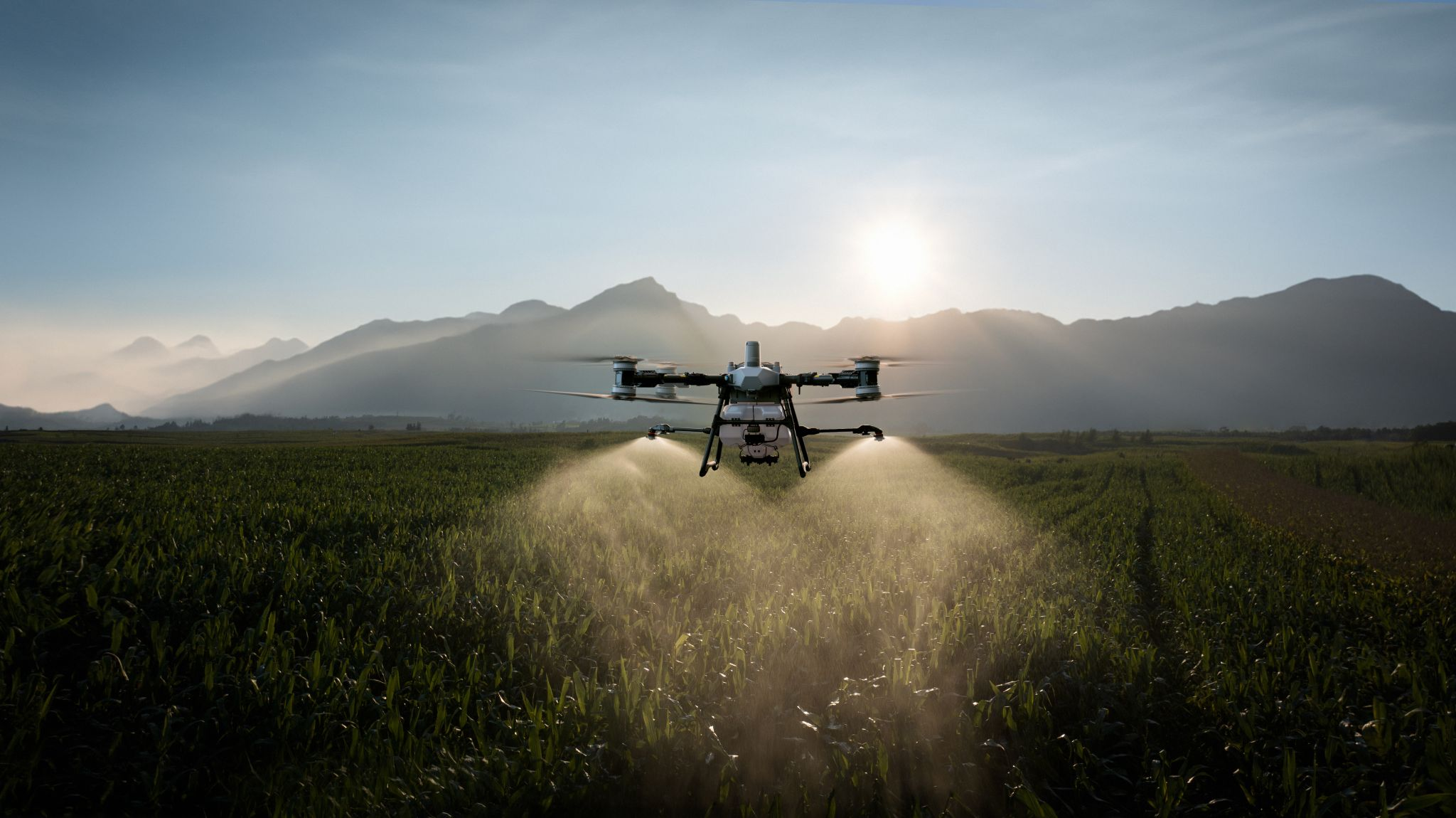
The Agras series embodies a paramount transformation in modern farming systems. All state-of-the-art flying platforms are designed to precisely emit treatments and other fundamental elements to grounds. Exploiting accurate technology, the Agras model curtails workforce investment, augments production, and sustains earth-conscious planting methods. Planters can now obtain better sharpness and range in their crop protection tactics thanks to this innovative progression.
Horticultural UAVs: A Cultivator's Handbook to the DJI Agras Portfolio
That DJI Agras lineup supplies a substantial development in precision farming devices, offering harvesters a strong implement for maximizing growth returns and minimizing operational disbursements. These unmanned aircraft are specifically produced for utilizing nutrients, giving a speedier and focused strategy than conventional techniques. The Agras options feature various variants, each appropriate for different harvest zones and crop categories. Below is a summary description:
- T collection: Celebrated for their condensed design and conveyability, advantageous for smaller fields and rough terrain.
- P forms: Resilient machines created for wide areas, allowing improved payload and spread efficiency.
- Agras V Series: Constructed for fruit farm management, with tailored features supporting course plotting in thick environments.
Finally, joining a DJI Agras flying apparatus into your company can finally create considerable profits in capability and eco-consciousness. Correct coaching and compliance with regional regulations are crucial for risk-free and efficient employment.
Amplifying Outcome: How DJI Agras-like Spreading Robotic Flyers are Upgrading Farming
The farming sector is experiencing a major shift, driven by cutting-edge technology. Diffusing drones, especially designs like the DJI Agras, are modernizing how husbandmen govern their plots. These hardware provide remarkable exactness in distributing pesticides, constraining waste and raising growth returns. Using aerial navigation, they manage larger territories quicker and with amplified exactness, generating louder crop yields and a environmentally safe way of modern farming systems.
Agricultural UAVs vs. Legacy Application: Efficiency and Conservation Pros
Growers are consistently contemplating remote application platforms as an substitute to conventional dispersing systems. The efficiency upgrades are considerable; drones can reach zones substantially speedier than manual equipment, diminishing operational expenditures. Moreover, exact dispersion abilities restrain pesticide excess, leading to a scaled-down carbon footprint and bolstering more green farming techniques.
Advancing UAV Growth: Real-World Roles of the DJI DJI spraying platforms
The Da-Ji Agras fleet is rapidly attracting traction across distinct branches, proving its fitness for revolutionizing cultivation systems. From accurate distribution of agrochemicals in wide terrain to efficiently observing cultivation condition, and boosting results, the Agras configurations delivers a important head start over legacy techniques. Instances exhibit its employment in paddy production across Far East, olive cultivars groves in the continent, and oilseed crop yielding in the America, highlighting its malleability and planetary consequence.
Explicit Future Involving Farming: Exploring The Capabilities Of Agricultural Flying Robots
That cultivation market is on the verge for a substantial advancement, mainly ascribable to the adoption use engaging unmanned aerial apparatus. Designated leading apparatus offer unmatched abilities, including precision field mapping across farms, targeted application of fertilizers and crop chemicals, and holistic monitoring of cultivation state. What's more, they present diminishing of labor charges and growth of overall harvests, eventually reshaping the landscape of modern farming protocols.
High-tech Culturing: Maximizing Growth Medium Distribution with The Agras
Leading pinpoint agribusiness is changing how farmers govern agrochemical dispersion. The DJI Agras collection of unmanned systems offers unparalleled fidelity and capability in plant food spreading. Using sophisticated imaging devices, these remote-controlled vehicles enable agriculturalists to administer fertilizers precisely where called for, decreasing waste and heightening crop production. This mechanism not only strengthens agricultural gains but also promotes conservation-minded planting methods.
Examining a DJI Agras: Costs, Strengths, and Profitability for Agronomists
Adopting a DJI Agras flying system constitutes a notable investment for various husbandmen, but the expected value can validate the primary expenditure. The full expense includes the device acquisition charge, ongoing sustaining costs, and coaching investments. However, these spendings are often reduced by improved efficiency, curtailed personnel disbursements, minimized toxin use, and raised crop. Ultimately, the earnings depends on factors like farm area, produce selection, usage, and territorial management circumstances, with thorough arranging and evidence evaluation critical for enhancing yield and gaining a positive economic consequence.
Surpassing Use : Broadening the Employment of the DJI systems in Cutting-edge Farming
Even though firstly recognized for their crop deployment abilities, the DJI Agras reveals a much greater potential across modern cultivation fields. Cultivators are now analyzing how these adjustable robots can be applied for tasks over and above simple agrochemical application. This involves precise seeding, distributing cover plants, and even preliminary crop health assessment via advanced sensor equipment, ushering in progress in productive farming methods.